Total Pageviews

Thursday, August 13, 2015

Peasants and Serfs

The common people were peasants, and serfs. There was a difference between a peasant and a serf.
Serfs were bound to the manor. They were not slaves. These people could not be bought and sold. But they could not leave the manor without permission. 
If they did not work, they were punished. If the manor land was sold or reassigned to a new owner, the serfs stayed with the land. 
Serfs had many jobs on the manor including craftsmen, bakers, farmers, and tax collectors - serfs did all kinds of jobs. Their job were assigned. They had to do the job they were assigned to do. 
Serfs could buy their freedom from the manor, but where would they get the money? Besides, in these violent times, being part of the land offered a certain amount of protection. If a new lord took over the manor, he would need the serfs for labor. 
Peasants were free to leave if they wished, but where would they go? War was everywhere. Peasants worked the land and made the goods in exchange for protection. They might own their own business or have room enough for garden of their own. Other than that, their life was just like a serf's life. A few peasants escaped the hard work on the farm by joining the church. But most lived and died on the manor where they were born.
Taxes: Everyone had to pay taxes to the lord. There was a payment due on every service they received. To pay the crop tax, some crops went to the lord, and some they kept. To pay the bread tax, some bread they made went to the lord, and some they kept. To pay the coat tax, some of the warm coats they made went to the lord, and some they kept. All peasants had to set aside a certain number of days each year to work on the roads or on the lord's home or on whatever else needed doing. Everything was paid in barter. Coinage or money did not exist on the manor. 
Church Festivals: The only time commoners had a chance to relax and enjoy each other's company was at a church festival. Festivals offered stage plays, which were religious in nature, along with  archery contests, wrestling, dancing, and singing. Often there were jugglers and magicians. Festivals were held often. Payment for the festivals was the responsible of the lord of the manor. The lord paid for the festivals by giving the church food and clothing the peasants had made. 
Power of the Priests: People believed that the only way to get to Heaven was to follow the teachings in the Bible. The common people could not read or write. The village priest read to them from the Bible and told them how to behave. The priest told them who they must marry and when. You had to do everything the priest said if you wanted to get to heaven. 
Feudal Obligations: In spite of the hardships of their lives, peasants and serfs were mostly content with their lot. For one thing, they knew no other life. For another, they knew their work kept everyone on the manor fed and comfortable, including themselves. 

Feudalism and the Manor System

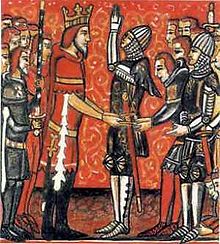
Europe was a dangerous place to live in during the Middle Ages because of the constant threat of Viking attacks. In order to protect themselves, the people developed a type of government called feudalism. In this system of government, land owned by a lord was controlled by a vassal in return for great royalty. A lord would give the vassal a fief, or a share of land and he would treat his vassal with honor. In return the vassal give his lord advise, raise and lead armies to fight for his lord and would pay taxes in the forms of crops for their lords as well.

The manor system was the way that the economy was organized. A large estate contained farm fields, a manor house and a village. The lord of the manor was usually a vassal and the manor was part of the fief. The manors had to produce everything they needed since they were usually located far away from towns or other manors. A lord depended on the wealth the manor produced and he ruled over the manor and the people that lived there. He made all the decisions and collected taxes from the peasants and serfs that lived there.The peasants were the ones that did all the work on the manors, and they were the ones that farmed their own land and the land of the lords. Serfs were peasants who were tied down to the manors and needed the permission of the lords for anything they did.
The majority of people of the Medieval Ages were peasants, the poor people that did all the hard work. They lived in small, cramped huts and had to do all the hard work on the farm lands. They were given small strips of land that they could farm for themselves, but they had to give part of the harvest to their lord. They earned just enough to survive, and because of this, they would remain poor. They lived a hard life and this affected their beliefs. They did not see a purpose in life and because of this, they probably would not care much about religion, or have any beliefs.


Saturday, August 1, 2015

Medieval Europe: Feudalism

Feudal System

Feudal System

The basic government and society in Europe during the middle ages was based around the feudal system. Small communities were formed around the local lord and the manor. The lord owned the land and everything in it. He would keep the peasants safe in return for their service. The lord, in return, would provide the king with soldiers or taxes. 


Service for Land 

Under the feudal system land was granted to people for service. It started at the top with the king granting his land to a baron for soldiers all the way down to a peasant getting land to grow crops. 

The Manor 

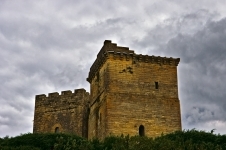
The center of life in the Middle Ages was the manor. The manor was run by the local lord. He lived in a large house or castle where people would gather for celebrations or for protection if they were attacked. A small village would form around the castle which would include the local church. Farms would then spread out from there which would be worked by the peasants. 


Hierarchy of Rulers 

King - The top leader in the land was the king. The king could not control all of the land by himself, so he divided it up among the Barons. In return, the Barons pledged their loyalty and soldiers to the king. When a king died, his firstborn son would inherit the throne. When one family stayed in power for a long time, this was called a dynasty. 

Bishop - The Bishop was the top church leader in the kingdom and managed an area called a diocese. The Catholic Church was very powerful in most parts of Medieval Europe and this made the Bishop powerful as well. Not only that, but the church received a tithe of 10 percent from all the people. This made some Bishops very rich. 

Baron - Barons ruled large areas of land called fiefs. They reported directly to the king and were very powerful. They divided up their land among Lords who ran individual manors. Their job was to maintain an army that was at the king's service. If they did not have an army, sometimes they would pay the king a tax instead. This tax was called shield money. 

Lord - The lords ran the local manors. They also were the knights and could be called into battle at any moment by their Baron. The lords owned everything on their land including the peasants, crops, and village. 

Peasants or Serfs 

Most of the people living in the Middle Ages were peasants. They had a hard rough life. Some peasants were considered free and could own their own businesses like carpenters, bakers, and blacksmiths. Others were more like slaves. They owned nothing and were pledged to their local lord. They worked long days, 6 days a week, and often barely had enough food to survive. 

Fun Facts about the Middle Age Feudal System
  • Around 90 percent of the people worked the land as peasants.
  • Peasants worked hard and died young. Most were dead before they reached 30 years old.
  • The kings believed they were given the right to rule by God. This was called "divine right".
  • Lords and Barons swore oaths of homage and fealty to their kings.
  • The Lord held absolute power over the fief or manor including holding court and deciding punishments for crimes.